
Essential Steps for Anti-Termite Treatment in New Construction
- SANSKRITI Jindal
- Nov 27, 2025
- 4 min read

Termites cause billions of dollars in damage worldwide every year, silently eating away at the foundations of homes and buildings. New construction sites are especially vulnerable because the soil and wooden structures are fresh and untreated. Protecting your investment starts with a thorough anti-termite treatment during the building process. This guide explains the key stages of anti-termite treatment in new construction, helping builders, homeowners, and contractors understand how to prevent termite infestations effectively.

Why Anti-Termite Treatment Is Crucial in New Construction
Termites are one of the biggest threats to a building’s structure, especially in India’s warm and humid climate zones. The best way to protect a new building is to follow a proper Pre-Construction Anti-Termite Treatment process — a multi-stage method done before and during construction to create a protective chemical barrier around the building.
Termites can remain hidden for years before signs appear.
Damage often exceeds the cost of preventive treatment.
Treatment during construction is more effective and less disruptive than post-construction.
By applying anti-termite measures at the right stages, you create a barrier that stops termites from entering the structure.
Stage 1: Site Preparation
It is a systematic process of treating the soil around and beneath a building using approved chemicals to prevent termite entry. This treatment can protect your home for 10–20 years, making it an essential part of every new build.
Before laying the foundation, treating the soil is the first and most critical step. This involves applying termiticides to the soil where the building will sit.
Before treatment begins, the site must be cleaned and prepared:
Remove tree roots, stumps, waste wood, paper
Level the excavated soil
Remove all organic matter
Light soil compaction
Why This Stage Matters
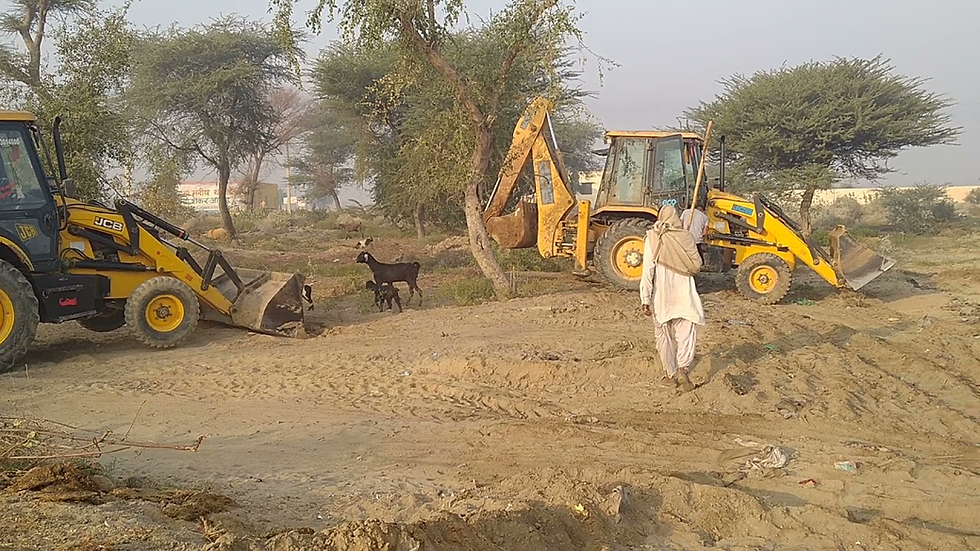
Termites thrive in decomposed organic material. Removing it eliminates their breeding ground. Treating the soil creates a protective zone that kills or repels termites before they reach the structure. This barrier also prevents termite tunnels from forming under the foundation.
Tips for Effective Soil Treatment
Use termiticides approved by local regulatory authorities.
Ensure even and thorough coverage, especially around corners and joints.
Avoid disturbing the treated soil before foundation work begins.
Stage 2: Treatment of the Bottom & Sides of Foundation Trenches and Concrete
Once the soil treatment is complete, the next step is protecting the foundation and concrete slabs.
Purpose:
Stops termites from entering the foundation through the soil.
This is the first chemical barrier.

Where treatment is applied:
Bottom of footing trenches
Sides of the foundation pits
Edges of column pits
Chemical used (typical):
1% Chlorpyrifos or
0.5% Imidacloprid
Methods Used
Applying termiticides on the foundation walls and footings.
Treating the concrete slab by spraying termiticides before pouring.
Using termite-resistant materials or physical barriers like metal mesh or plastic sheets.
Importance of Foundation Treatment
Termites can enter through cracks or gaps in the foundation. Treating these areas seals potential entry points and strengthens the soil barrier. It also protects wooden elements that may be in contact with concrete.
Practical Advice
Inspect foundation walls for cracks or holes before treatment.
Coordinate with construction teams to apply treatment before concrete pouring.
Consider combining chemical and physical barriers for enhanced protection.
Stage 3: Treatment of Backfilled Soil around Foundation
After the foundation is cast, the soil is refilled around it.
This backfilled soil must be treated layer by layer (about 30 cm each layer).
Apply treatment evenly, covering all surfaces.

Why?
Termites often travel vertically along the foundation wall to enter the building — this barrier prevents that.
Stage 4: Plinth Filling Soil Treatment (Inside the Building)
Before you pour the PCC inside rooms, the plinth soil must be fully saturated with the termite chemical.
This includes:

All room areas
Under staircases
Under bathrooms
Any internal fill areas
Purpose:
Prevents termites from entering through the floor slab.
Stage 5: Treatment Below the Flooring & Around Pipe Cutouts
Even after PCC, termites can enter through floor joints and pipe openings.
Therefore, treatment is applied at:

All plumbing cutouts
All electrical floor conduits
The perimeter along every wall
Any expansion joints
This is a very important stage often forgotten on site.
Stage 6: External Perimeter Treatment
This is the final protective ring around the home.
Treatment is applied:

1 meter around the entire building
In the soil after compound filling
Using rodding or trenching method
Purpose:
Creates an outer barrier so termites cannot enter the site perimeter.
Optional Stage : BUT IMPORTANT — Wood Protection
Before installing:
Door frames
Window frames
Wardrobe base members
Any wood touching the floor
Apply:
Oil-based anti-termite chemical
2–3 coats
Special focus on the bottom 3 ft of frames
COMMONLY USED CHEMICALS
Chlorpyrifos 20 EC
Imidacloprid 30.5 SC
Fipronil 2.5%
Bifenthrin
Typical dosage: 5–7.5 liters per m² (varies by soil type)
When Exactly Should the Contractor Call the Anti-Termite Agency?
After excavation
After foundation casting
Before PCC in rooms
Before flooring work
After external filling
Anti-termite treatment does not end once construction finishes. Regular inspections and maintenance ensure the building remains termite-free.
What to Inspect
Check for mud tubes or termite droppings around the foundation.
Look for signs of wood damage or hollow sounds.
Monitor moisture levels near the building, as dampness attracts termites.
Maintenance Tips
Keep gutters and drainage systems clear to prevent water accumulation.
Avoid wood-to-soil contact by using concrete or metal barriers.
Schedule professional termite inspections every 1 to 2 years.
Common Mistakes to Avoid in Anti-Termite Treatment
Skipping soil treatment or applying it unevenly.
Using low-quality or expired termiticides.
Ignoring cracks or gaps in the foundation.
Failing to treat wooden structures properly.
Neglecting regular inspections after construction.
Avoiding these errors increases the chances of long-term termite protection.
Benefits of Professional Anti-Termite Treatment
Hiring experienced pest control professionals ensures:
Correct selection and application of termiticides.
Compliance with safety and environmental regulations.
Comprehensive treatment covering all vulnerable areas.
Documentation and warranty for treatment effectiveness.
DIY treatments often miss critical spots or use incorrect products, reducing protection.


Incredibly detailed and practical guide! The stage-by-stage breakdown really highlights how many critical points during construction are commonly overlooked especially treating pipe cutouts and plumbing openings, which I never would have thought of. It's clear that investing in proper pre-construction anti-termite barrier treatment from the very beginning is far more cost-effective than dealing with damage after the fact. Hiring experienced professionals who follow all these stages correctly is absolutely worth every penny!